


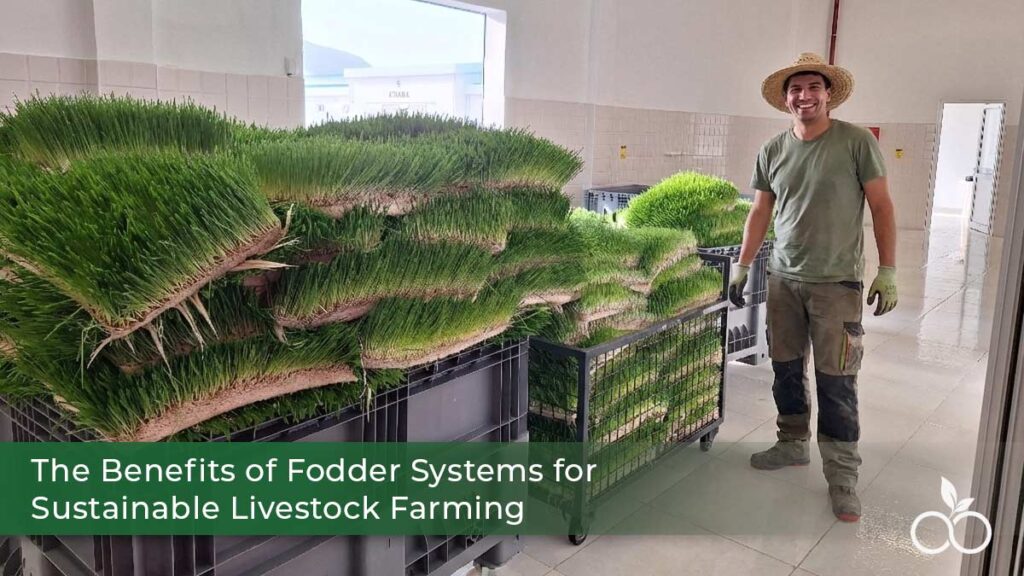
Modern agriculture is rapidly shifting toward efficient, sustainable, and cost-effective livestock feed solutions. Among these innovations, fodder systems — especially hydroponic fodder systems — are becoming a preferred choice for farmers worldwide.
By producing fresh green fodder in a controlled environment, fodder systems help farmers overcome challenges such as climate change, rising feed costs, water scarcity, and land limitations.
What Is a Fodder System?
A fodder system is an advanced feed production system that grows fresh green fodder from grains such as barley, wheat, corn, or oats using minimal water and space. These systems often operate indoors and rely on hydroponic technology, allowing farmers to produce high-quality livestock feed year-round.
Fodder systems can be:
- Manual or fully automated fodder systems
- Compact or large-scale commercial units
- Designed for cattle, sheep, goats, poultry, horses, and other livestock
Key Benefits of Fodder Systems
1. Year-Round Green Fodder Production
One of the biggest fodder system benefits is continuous feed production regardless of season or climate. Unlike traditional pasture or silage, hydroponic fodder systems ensure:
- Stable feed availability
- Consistent nutritional quality
- Reduced dependency on external feed suppliers
Fresh fodder can be harvested every 7 days, making feed planning more predictable and reliable.
2. Exceptional Water Efficiency
Water scarcity is a major concern in agriculture. Hydroponic fodder systems use up to 90% less water compared to conventional forage cultivation.
✔ Minimal water loss
✔ Closed-loop irrigation systems
✔ Ideal for dry and arid regions
This makes fodder systems a smart solution for water-efficient livestock farming.
3. Space-Saving Feed Production
Traditional feed crops require large land areas. In contrast, vertical fodder systems can produce large volumes of green feed in a small footprint.
Benefits include:
- High feed output per square meter
- Ideal for farms with limited land
- Suitable for indoor and urban farming operations
4. Improved Animal Health and Performance
Fresh hydroponic fodder is rich in:
- Vitamins
- Enzymes
- Minerals
- Easily digestible nutrients
As a result, farmers often observe:
- Higher milk yield and quality
- Faster weight gain in meat animals
- Better digestion and feed conversion
- Improved fertility and immunity
Healthy animals lead directly to higher farm profitability.
5. Cost-Effective Livestock Feed Solution
While fodder systems require an initial investment, they significantly reduce long-term feeding costs by:
- Lowering dependence on commercial feed
- Reducing feed waste
- Improving feed conversion efficiency
- Stabilizing feed expenses
For many farms, hydroponic fodder systems pay for themselves over time through savings and increased productivity.
6. Environmentally Friendly & Sustainable Farming
Fodder systems support sustainable livestock farming by:
- Reducing water and land use
- Eliminating pesticides and herbicides
- Preventing soil degradation
- Lowering carbon emissions from feed transport
These systems align perfectly with modern sustainability goals and environmentally responsible farming practices.
Why Fodder Systems Are the Future of Livestock Feed
With increasing pressure on natural resources and rising global feed demand, automated fodder systems are becoming an essential tool for modern farms. They provide:
- Feed security
- Climate resilience
- Predictable production costs
- Sustainable growth for livestock operations
Farms that adopt fodder technology today gain a strong competitive advantage for the future.
Conclusion: Invest in Smart Fodder Solutions
In summary, fodder systems offer powerful advantages for livestock farmers:
✔ Reliable, year-round green feed
✔ Reduced water and land usage
✔ Healthier animals and higher productivity
✔ Lower long-term feeding costs
✔ Sustainable and eco-friendly farming
Investing in a high-quality fodder system is not just a feeding decision — it is a strategic investment in the future of livestock farming.
Follow our social media accounts to be informed about the latest news.